

LET US HELP YOU
Call us today for your free estimate and consultation.
Most roof leaks in Portland do not start on the roof. They start where the roof meets a wall, and the flashing that is supposed to carry water from that joint into the gutter is too short, tucked under the siding as far as it would go, or missing altogether. Water follows the wall down behind the siding, and by the time a stain shows up inside, the sheathing and framing have been wet for years. LADA Exteriors has handled roofing and siding as one system since 1997, which is why roof-to-wall flashing is a service we offer on its own and a detail we build into every roof we install.
Call 503-860-6660 for a Free Roof-to-Wall Flashing Inspection
Family owned since 1997. Licensed in Oregon and Washington. Roofing and siding crews under one roof. Financing available.
Signs Your Roof-to-Wall Flashing Is Failing
Flashing problems hide behind the siding, so the first signs usually show up somewhere else. Paint bubbles or peels on a wall just below a roofline, siding boards near a roof-to-wall joint swell or go soft, a stain appears on a ceiling or at the top of a wall where a lower roof ties into the house, or a window directly below a roof edge leaks for no obvious reason.
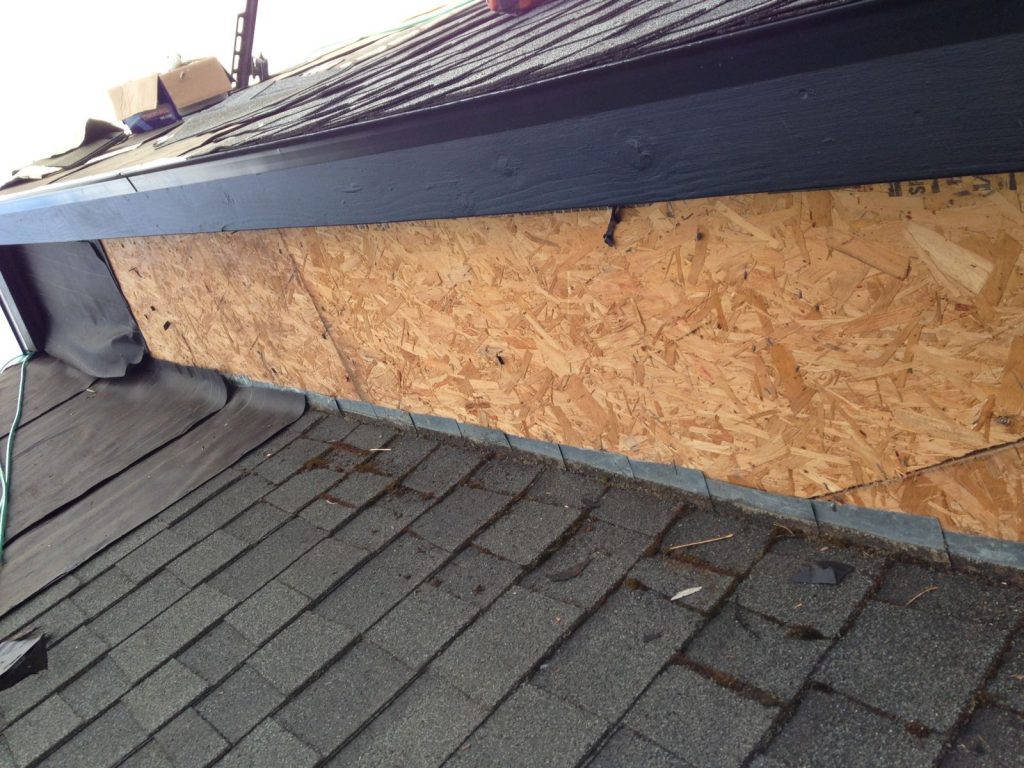
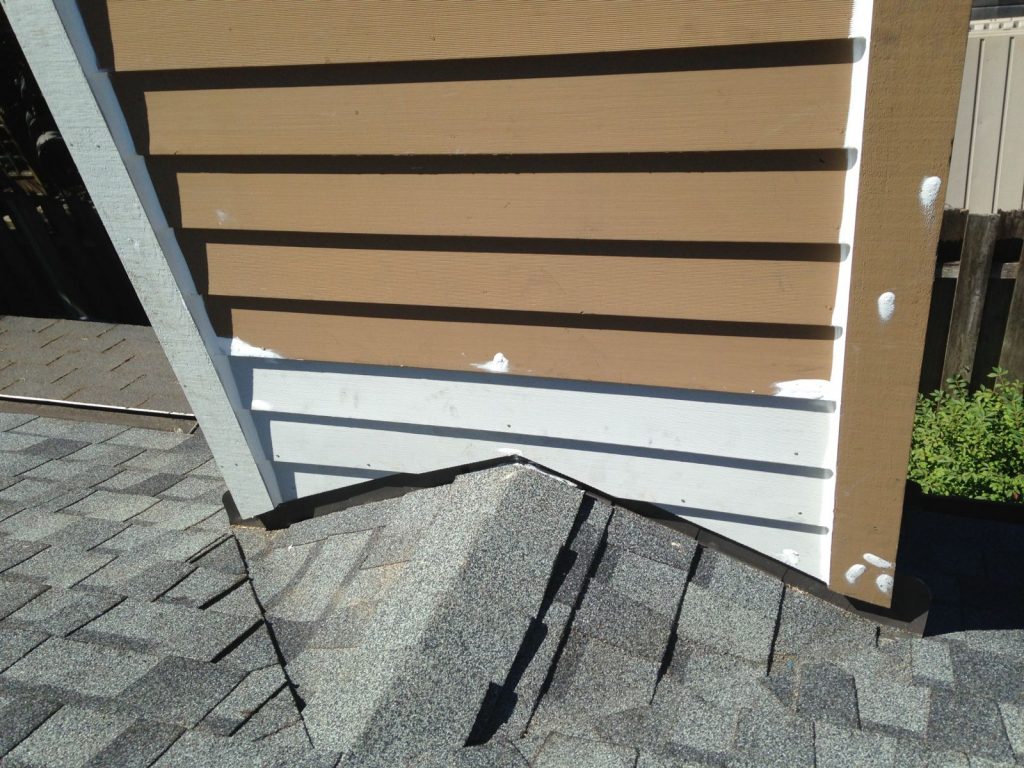
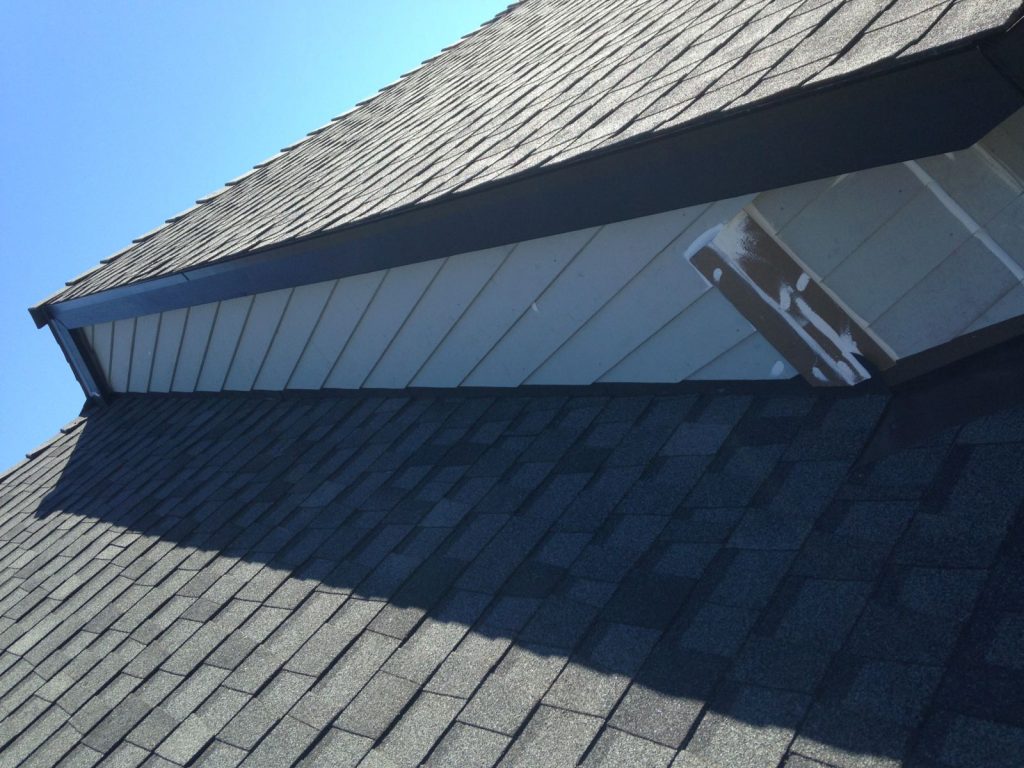
The cause is almost always the same. When a roof is replaced, many roofing contractors slide new step flashing under the existing siding as far as it will go and stop there, because the siding is nailed along its bottom edge and removing it is extra work. The result is flashing that is too short to reach the water-resistive barrier behind the siding, and every heavy rain pushes water past it. Missing kick-out flashing at the bottom of the run sends that water straight down the wall instead of into the gutter.
An inspection tells you how far the problem has spread. Sometimes the fix is a few feet of new flashing and a couple of siding boards. When the flashing has been wrong since the house was built, the sheathing behind it is often rotted and the repair becomes a small section of wall rebuilt correctly.
Roof-to-Wall Flashing Services We Provide in the Portland Metro Area
Whether the flashing is part of a full roof replacement or a stand-alone repair, the goal is the same, which is a continuous path for water from the roof surface into the gutter without ever touching the wall framing.
Step Flashing Replacement
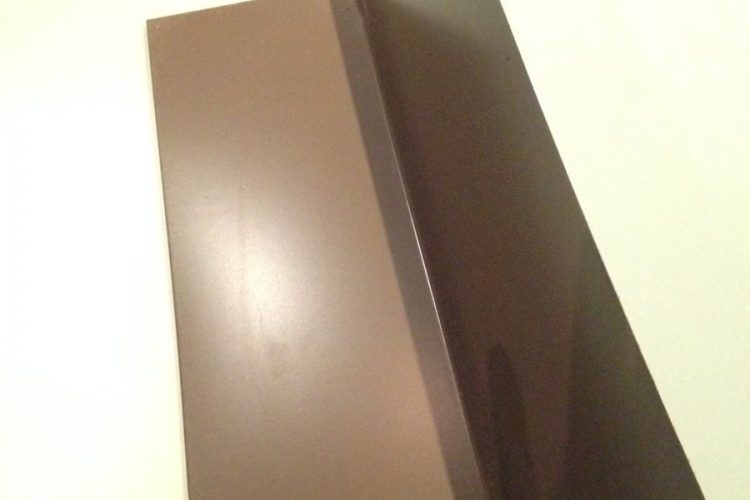
We remove the bottom courses of siding along the roof-to-wall joint, inspect the existing flashing and the sheathing behind it, and replace short or corroded step flashing with the full-height flashing called for by current building code, woven into each course of shingles and lapped properly over the water-resistive barrier.
Kick-Out Flashing Installation
Kick-out flashing is the small diverter at the bottom of a roof-to-wall run that pushes water out into the gutter instead of letting it run down the siding. Most older Portland homes never had one. We install kick-outs on every roof-to-wall transition that ends at a gutter.
Rot Repair and Siding Reinstallation
When the sheathing or framing behind the flashing has rotted, we cut it back to sound wood, replace it, and reinstall the water-resistive barrier before the new flashing goes on. Matching siding is then applied over the repair so the wall looks the way it did before, only dry. Flashing failures that date back to the original construction are a frequent part of our construction defect repair work.
Flashing as Part of Roof Replacement
On every roof replacement we do, the siding along each roof-to-wall joint comes off so the flashing can be inspected and replaced correctly. It adds a day of work and removes the most common cause of leaks on a new roof.
Why Portland Homeowners Choose LADA Exteriors for Flashing Repair
Flashing sits in the gap between two trades. Roofers do not want to touch the siding and siding crews do not want to touch the roof, so the joint between them is where shortcuts live.
Roofing and Siding Crews on the Same Team
Because we replace both, our crews are comfortable pulling siding, correcting the water-resistive barrier, flashing the joint, and putting the wall back together. There is no second contractor to coordinate and no gap in responsibility where water gets in.
Flashing Installed to Code, Not Tucked Under
Every flashing repair meets or exceeds the dimensions and overlaps in the Oregon Residential Specialty Code and the shingle manufacturer’s instructions. We do not push flashing under siding and hope.
We Look Behind the Wall Before We Close It
Opening the joint lets us see the sheathing, the barrier, and the framing. Rot that would have stayed hidden under a tuck-in repair gets found and fixed while the wall is open.
Matching Siding and a Clean Finish
Repaired sections are re-sided with matching material and primed for paint, so the fix disappears into the wall instead of advertising itself. Our siding crews handle the match on fiber cement, cedar, and other common Portland siding types.
Rated Among the Top Exterior Contractors in Oregon
Nearly three decades of roofing and siding work across the Portland metro area has taught us that most water intrusion comes down to a few feet of metal installed wrong. Homeowners, HOAs, and property managers call us when the leak has already been chased by someone else.
- Family owned exterior contractor serving Portland since 1997
- Licensed, bonded, and insured in Oregon (CCB #126473) and Washington
- Roofing, siding, and flashing handled by one crew with no handoff between trades
- Written workmanship warranty on every repair
What to Expect From a Roof-to-Wall Flashing Repair
Step 1. Free Inspection and Estimate
We look at every roof-to-wall transition on the house, check the siding and paint below each one, and probe for soft sheathing. You get a written, itemized estimate that tells you which joints need work and which are fine.
Step 2. Open the Joint
The bottom courses of siding come off along the affected run, the old flashing is removed, and the sheathing and barrier are inspected.
Step 3. Repair, Flash, and Re-Side
Rotted wood is replaced, the water-resistive barrier is corrected, new step flashing and kick-out flashing go in, and matching siding is reinstalled over the repair. Most single-run repairs take a day, and whole-house flashing corrections during a roof replacement add a day or two to the project.
Step 4. Final Walkthrough and Warranty
We show you the finished joint, explain what was found behind the wall, and hand over our written workmanship warranty.
Flashing Repair Contractors Serving Portland, Beaverton, Hillsboro, and Beyond
Our crews work throughout the Portland metro area and across the river in Southwest Washington. Homeowners in Portland, Beaverton, Hillsboro, Tigard, Lake Oswego, Tualatin, Sherwood, and Vancouver call on us for roof-to-wall flashing, leak repair, and water intrusion work, and we regularly take on projects in Wilsonville, Oregon City, Gresham, and Happy Valley as well.
Frequently Asked Questions About Roof-to-Wall Flashing in Portland
How Much Does Roof-to-Wall Flashing Repair Cost?
Flashing repair is priced per project, and the biggest factors are the length of the roof-to-wall runs involved, the type of siding that has to come off and go back on, and how much rotted sheathing or framing is found once the joint is open. A single short run with sound wood behind it is a modest repair, and a whole-house correction with rot is a larger one. Every estimate is free and itemized.
Can Flashing Be Fixed Without Removing the Siding?
Not properly. Flashing has to lap over the water-resistive barrier behind the siding, and that is impossible to confirm or achieve without removing the bottom courses. Tuck-in repairs are why we see so many leaks on roofs that are only a few years old.
What Is Kick-Out Flashing and Do I Need It?
Kick-out flashing is a small diverter where a roof edge meets a wall above a gutter. Without it, water runs off the roof down the wall and behind the siding. Current code requires it, most older homes lack it, and it is one of the cheapest leak preventers on the house.
Will You Match My Existing Siding?
Yes. We re-side repaired sections with matching material and prime them for paint so the repair blends in.
Do I Need a New Roof to Fix the Flashing?
No. Flashing can be corrected on an existing roof by lifting the adjacent shingles. If the roof is near the end of its life, doing both at once saves money, and we will tell you which situation you are in.
Get a Free Roof-to-Wall Flashing Inspection From Portland’s Roofing and Siding Experts
If paint is peeling below a roofline, siding near a roof joint has gone soft, or a leak keeps coming back after someone else fixed it, the flashing is the first place to look. An inspection takes about an hour, costs nothing, and ends with a written proposal and a straight answer. Request your free inspection or call 503-860-6660 to get on the schedule.